The Supporter's Guide
Evidence-based tools translated into plain language, so you know exactly what to do and say. No clinical training required.
Eleven condition-specific programs. Twelve weeks each. Complete session scripts, printable worksheets, crisis planning tools, a regulation toolkit, guided imagery, and more — grounded in CBT, Behavioral Activation, and clinical best practices. Full programs. No upsells. No paywalls.
By Linda Curran, BCPC, LPC, CAADC, CCDPD

Why These Manuals Exist
Developed by Linda Curran, BCPC, LPC, CAADC, CCDPD — an internationally recognized trauma specialist with over 25 years of clinical experience, an approved consultant in EMDR and complex trauma, an advisor to Evergreen Certifications, and the author of 101 Trauma-Informed Interventions, Trauma Competency, and EMDR Deconstructed.
Over 122 million Americans live in areas with a shortage of mental health professionals. The traditional model of care — weekly 50-minute sessions with months-long waitlists — was never designed to handle the volume of need. Meanwhile, the people closest to someone with a mental health condition are doing the hardest work with the least support: managing crises at 2 AM, navigating medication changes, trying to say the right thing when nothing feels right.
These manuals exist because supporters deserve real tools — not pamphlets, not platitudes, not "just be there for them." Each program gives you the same evidence-based frameworks used by clinicians, translated into plain language with word-for-word scripts so you never have to guess what to say next. These are complete 12-week programs — every session, every worksheet, every tool — free, from day one.
Who This Is For
Family, Friends, Partners
You are the constant in someone's life who has a mental health condition. You are not their therapist. You are their scaffold — the frame that holds the structure until it can stand on its own.
Evidence-Based, Not Guesswork
Every script, worksheet, and tool is grounded in the same approaches used by professionals — CBT, Behavioral Activation, CRAFT, polyvagal theory. You get the methods. We skip the jargon.
Not a Replacement for Treatment
This is a coaching program, not therapy. It works alongside professional care — filling the gaps between appointments with structured, consistent support. If your loved one is in crisis, use the Crisis Safety Plan and call 988.
How the 12-Week Program Works
Each manual follows the same structure. You do not need clinical training. You need consistency, a quiet hour each week, and willingness to show up.
Sit Down Together
Open the week's session script and read it out loud. It walks you through check-in questions, psychoeducation, a Compassionate Inquiry exercise, and a worksheet introduction. One hour, once a week.
Practice Between Sessions
Your loved one fills out the week's worksheet. You use the regulation toolkit and guided imagery recordings as needed. The tools are there when you need them — not just during the formal session.
Track and Share Progress
Module completion, worksheet status, and checklist items are tracked automatically. Export a progress summary to share with your loved one's treatment team — keeping everyone on the same page.
What's Inside Every Manual
Eleven integrated tools — not add-ons, not upsells, not a "lite" version. Every manual includes all of these, tailored to the specific condition. Access everything from day one.
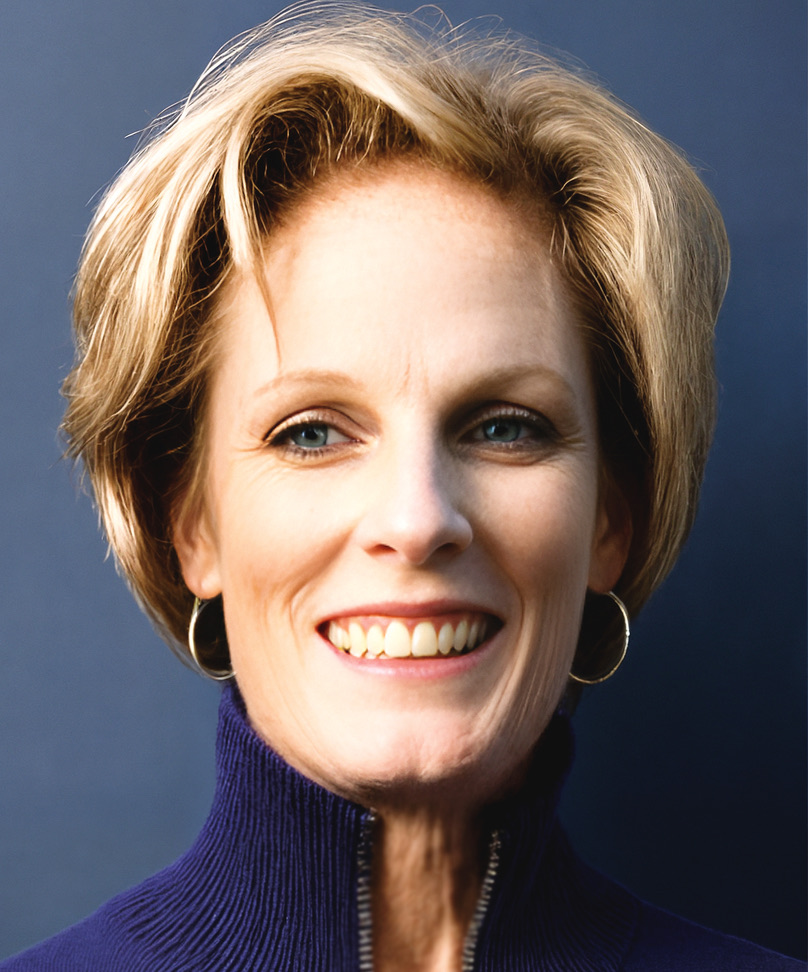
A Message from Linda
60 seconds — what these manuals are, why they matter, and where to start.
Choose a Manual
Select the coaching program that matches your loved one's condition. Each manual is a complete, self-contained 12-week program with all the tools described above.